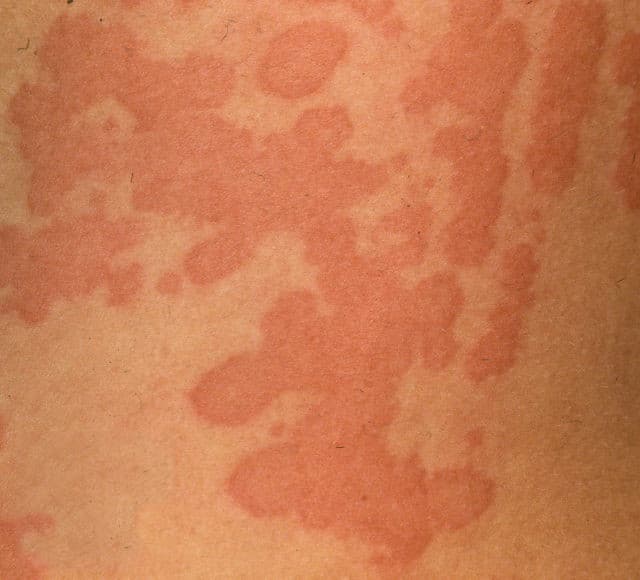
Acute Spontaneous Urticaria
Acute spontaneous urticaria (acute urticaria) is a sudden, transient vascular skin reaction characterized by itchy, red, and raised wheals, and sometimes swelling of deeper tissues (angioedema). In most cases, this condition is temporary and resolves on its own, but it can sometimes be part of a larger allergic reaction, so it is important to recognize warning signs and know when to seek medical help.
Introduction
A large number of people, both children and adults, experience acute urticaria at least once in their lifetime. The rashes usually appear suddenly, change location and intensity, and individual wheals typically disappear within 24 hours without leaving scars. Although urticaria is often associated with allergies, its causes can vary—from infections and physical factors to stress or medication effects. The good news: most episodes can be safely managed, and proper care helps restore comfort more quickly and reduce the risk of recurrence.
What is it?
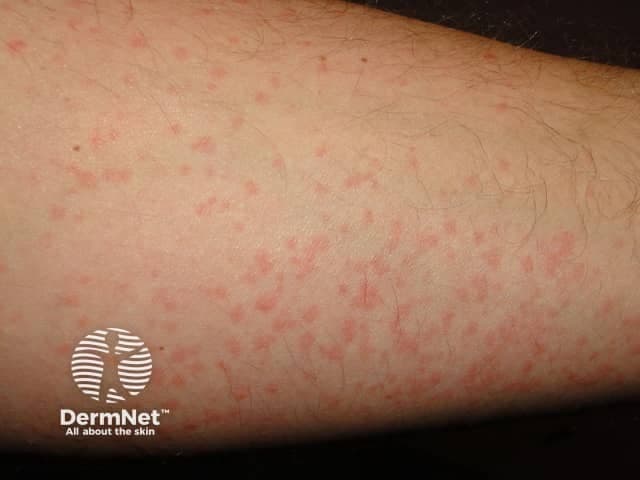
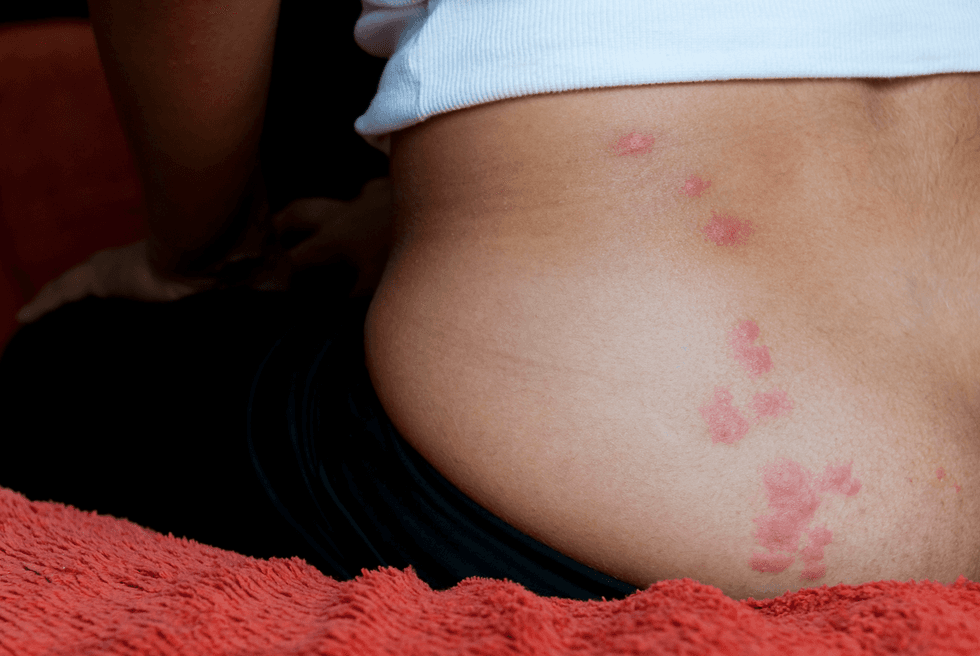
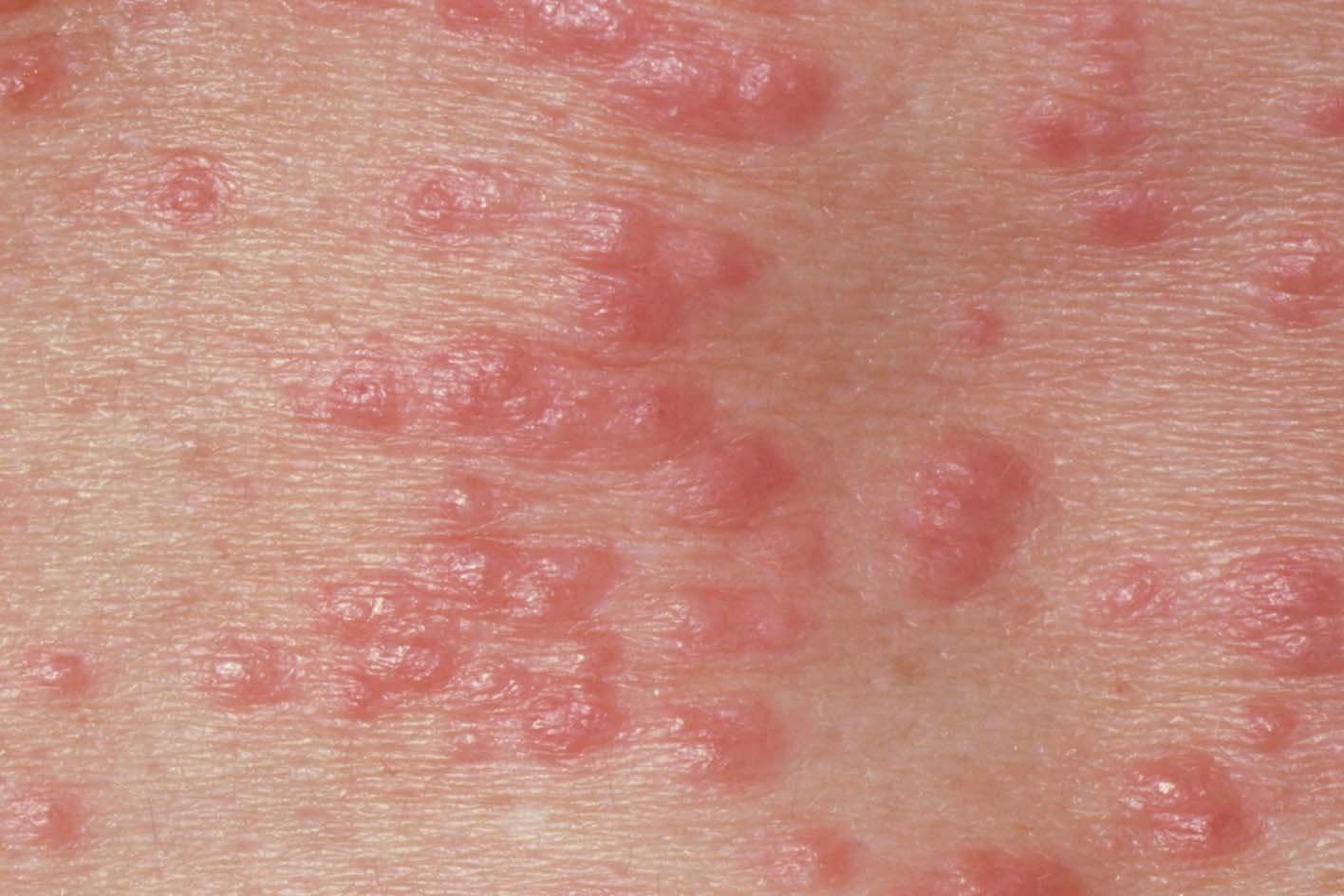
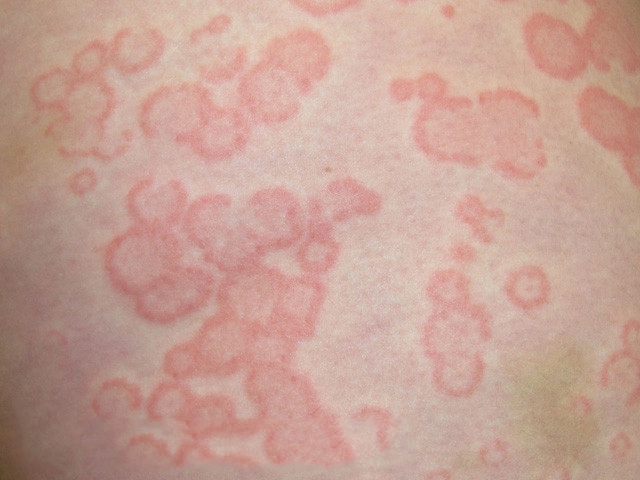
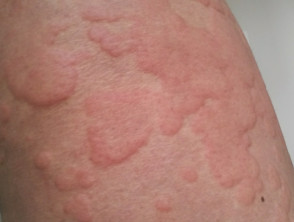
Acute urticaria is a condition where wheals (urticae) suddenly appear on the skin, which:
- are pink or skin-colored, with clear boundaries, varying in size, and merging with each other;
- are very itchy, sometimes stinging or burning;
- persist briefly (a single wheal usually not longer than 24 hours), and the overall condition lasts up to 6 weeks. If symptoms persist longer, it is considered chronic urticaria.
When urticaria affects deeper layers of the skin and subcutaneous tissue, angioedema develops—a more painful, firmer swelling, most commonly occurring around the eyes, lips, ears, hands, or feet, sometimes in the genital area. Angioedema can last longer—up to 48–72 hours.
This condition is not contagious and can occur in people of any age. There is a higher risk in individuals with other allergic diseases (e.g., atopic dermatitis, allergic rhinitis, bronchial asthma), but acute urticaria can also occur without any history of allergies.
Causes and Risk Factors
The causes of acute urticaria are not always clear—some patients cannot identify them even after thorough investigation. However, the most common factors are:
- Infections – especially common in children (upper respiratory tract viruses), but also occur in adults. Urticaria can appear at the onset of an infection or during recovery.
- Food – certain products (e.g., nuts, seafood, eggs, dairy products, wheat) or food additives (colorants, preservatives) can trigger an episode. The interaction between consumed food and physical activity is also important (a rare but known phenomenon).
- Medications – some people develop urticaria due to certain groups of medications or their combinations. If you notice a connection with a specific preparation, it is important to discuss it with your doctor.
- Physical factors – cold, heat, sun, pressure on the skin (e.g., tight clothing), vibration, intense sweating, or sudden increase in body temperature, water.
- Other irritants – alcohol, spicy food, stress, fatigue, hormonal fluctuations.
Risk Factors:
- Personal or family history of allergic diseases.
- Previous episodes of urticaria.
- Recently experienced infections.
- Frequent use of certain medications or supplements, especially without medical supervision.
Symptoms
Acute urticaria is characterized by:
- Wheals (rash):
- Varying in size and shape, from a few millimeters to several centimeters, sometimes merging into larger areas.
- Intense itching, possible stinging or burning.
- Appear and disappear in the same location within 24 hours, but may reappear in other locations.
- Angioedema:
- Deeper tissue swelling (common around the eyelids, lips, face, hands, feet).
- Pressure or pain is more commonly felt than itching.
- Can last up to 72 hours.
- Systemic symptoms are usually absent, but if wheezing, shortness of breath, hoarse voice, difficulty swallowing, dizziness or fainting, nausea, or abdominal pain occur, these may be signs of a severe systemic reaction requiring urgent care.
ARTICLE_GIF
When to See a Doctor?
In most cases, acute urticaria resolves within a few days or weeks, but medical attention is necessary if:
- The rashes or swelling persist for more than a few days or recur frequently, approaching the 6-week mark.
- Swelling of the face, lips, tongue, or larynx occurs, along with breathing or swallowing difficulties, hoarse voice, dizziness, or weakness—this may be a severe allergic reaction requiring urgent help.
- Itching and discomfort cannot be managed with home remedies.
- The episode is associated with a new medication, food, or insect bite.
- Urticaria frequently recurs in children, pregnant women, or people with other chronic diseases.
Our clinic's dermatologists help accurately diagnose, assess the severity of the condition, and develop an individualized treatment and care plan. If needed, you can schedule a consultation either in person or online—this helps quickly clarify the situation and start the most suitable, safe treatment for you.
Diagnosis
The diagnosis of acute urticaria is usually made based on a comprehensive interview and skin examination. The doctor evaluates the appearance, duration, and possible associations with food, medications, infections, or physical factors. Special tests are usually not needed, especially if the symptoms are typical and short-lived.
If urticaria recurs, persists, or a specific cause is suspected, the following may be considered:
- Basic blood tests to assess overall health status.
- Provocation tests if physical factors are suspected (e.g., cold, pressure).
- Elimination method – temporary avoidance of suspected food or other factors and monitoring of symptoms.
- Allergy tests when there is a clear history indicating a possible allergic origin (performed at the doctor's discretion).
Even after diagnosis, it is important to discuss an individual action plan for the future: what to do if symptoms recur, how to act during travel, exercise, or when suffering from colds.
Our iDerma clinic dermatologists thoroughly assess the clinical picture, help differentiate acute urticaria from other rashes, and select a safe testing plan only when it is truly necessary. Consultations are also available remotely.
Treatment
The goal of acute urticaria treatment is to quickly reduce itching, swelling, and prevent symptom recurrence. The treatment plan is selected individually, taking into account age, symptom intensity, possible triggers, and comorbidities.
- Lifestyle and care measures first:
- Avoid known irritants (suspected food products, alcohol, sudden temperature changes, tight clothing, skin-irritating cosmetics).
- Cool compresses for itchy areas, short cool showers (not hot).
- Gentle, fragrance-free emollients to maintain the skin barrier; do not use harsh scrubs.
- Short, not very hot showers or baths, followed immediately by moisturizer.
- Comfortable, loose, breathable clothing.
- Medication treatment:
- Medications are often prescribed to help suppress itching and skin swelling. Their necessity and usage schedule are determined by the doctor, especially for children, pregnant women, or people with chronic diseases.
- In cases of more pronounced angioedema or widespread rash, short-term intensive treatment may be prescribed under specialist supervision.
- Emergency care: if breathing difficulties, wheezing, hoarse voice, severe facial or throat swelling, dizziness, or fainting occur—seek emergency medical help immediately.
If urticaria episodes are frequent or difficult to manage, it is worth consulting with our iDerma dermatologists—either in person or online—about an individual treatment and prevention plan. This helps shorten the duration of symptoms and reduce the risk of recurrence.
Care and Prevention
Although it is not always possible to completely avoid urticaria episodes, these measures help to overcome them less frequently and more easily:
- Avoid known triggers. If you notice a connection with specific food, drink, medication, or activity, discuss with your doctor whether and how to avoid it.
- Keep a symptom diary. Note what you ate, what medications you took, what activities you did before the episode—this helps identify recurring patterns.
- Choose gentle skin care. Fragrance-free cleansers, emollients, protection from cold and sun, avoiding intense heat or hot baths.
- Manage stress and get enough sleep. Stress can exacerbate itching and rash.
- Physical factors. If you react to cold, avoid sudden cooling; if to heat or sweating, choose light clothing, take breaks during exercise.
- Safety when using medications. Start new preparations after consulting with your doctor, especially if you have had reactions before.
Frequently Asked Questions
- Does acute urticaria always mean an allergy?
No. While allergies can cause urticaria, common triggers include infections or physical factors. For some patients, a specific allergen cannot be identified. - What is the difference between urticaria and angioedema?
Urticaria involves superficial itchy wheals, while angioedema involves deeper tissue swelling, usually more painful and lasting longer. Both conditions can occur together. - Is urticaria contagious?
No. It is a bodily reaction, not an infectious disease that can be transmitted to others. - Are allergy tests necessary?
In cases of acute urticaria, usually not. Tests are considered if episodes recur, there is a clear association with a specific factor, or other conditions are suspected. - Can stress cause urticaria?
Yes, stress can enhance the immune response and itching, so stress management is an important part of prevention. - When does acute urticaria become chronic?
If wheals or angioedema episodes last longer than 6 weeks, it is considered chronic urticaria and requires a broader evaluation.
Conclusions
Acute spontaneous urticaria is a common but generally short-lived and manageable condition. Although it is not always possible to precisely determine the cause, a suitable lifestyle, gentle skin care, and, if necessary, treatment prescribed by a doctor help quickly reduce itching and swelling. It is especially important to recognize warning signs of severe reactions—swelling of the throat, tongue, or face, breathing or swallowing difficulties—and seek help immediately. If episodes recur or cause concern, it is worth consulting a dermatologist: an individual plan will allow a safe return to normal daily life and reduce the risk of new episodes.