Skin DiseasesErythrasma: Causes, Symptoms, and Treatment

Erythrasma: Causes, Symptoms, and Treatment in Lithuania

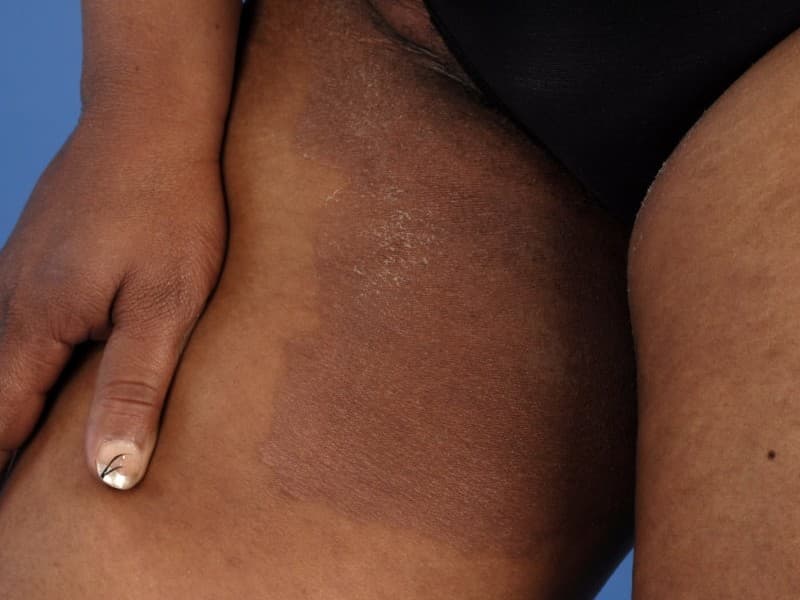
Brownish, well-defined patch in the groin fold, typical of erythrasma and assessable during an online dermatology consultation.

Need an online dermatologist for erythrasma in Lithuania? iDerma's doctors review your photos and reply within 24 hours — from 49 €.

Erythrasma (from the Greek word meaning “red spot”) is a relatively common chronic skin infection caused by the bacterium Corynebacterium minutissimum. It often affects people with weakened immune systems and tends to appear in moist, warm areas of the body such as skin folds.


Who Is More Likely to Get Erythrasma?

  • Slightly more common in men than in women

  • Rare in children

  • More frequent in people living in hot, humid climates

  • Often found in people living in institutions (e.g., dormitories, nursing homes, prisons)

Erythrasma typically affects the armpits, groin, skin under the breasts, and other areas where skin touches skin. It appears as reddish-brown patches with mild scaling.
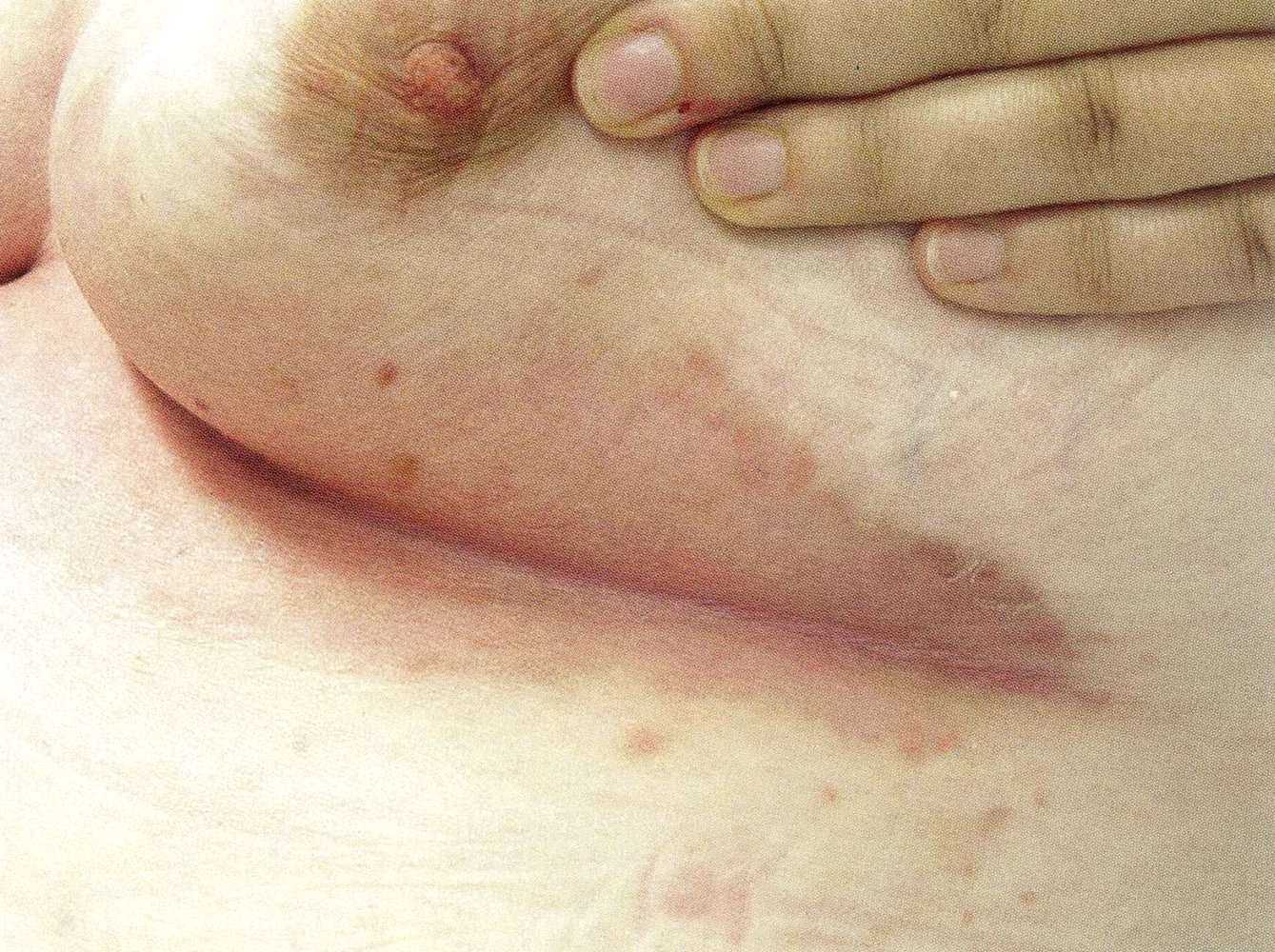
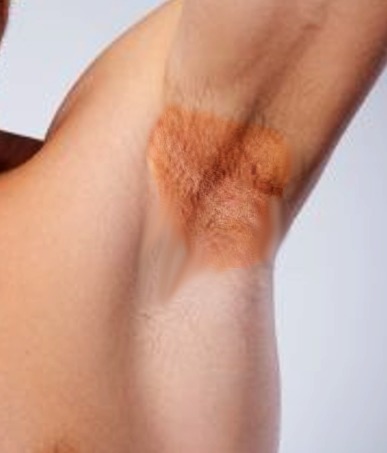
 

Erythrasma in a skin fold – a well-defined reddish-brown patchErythrasma – a scaly patch in a skin fold


Risk Factors

The likelihood of developing erythrasma is higher in people who:

  • Live in humid environments

  • Sweat excessively

  • Have diabetes

  • Struggle with personal hygiene

  • Are overweight

  • Are elderly

  • Have other chronic health conditions


Symptoms of Erythrasma

  • Clearly defined pink, red, or brown patches or plaques

  • Scaly texture, sometimes with cracks or shallow ulcers

  • Thin, shiny skin that can resemble "cigarette paper"

  • Mild itching (in some cases)

  • Common locations:

    • Armpits

    • Groin and perineum

    • Under the breasts

    • Between the toes

    • Occasionally on the chest, trunk, or limbs


ARTICLE_GIF


Diagnosis

Diagnosis is usually straightforward through visual examination and patient history. A Wood’s lamp (UV light) is often used in the clinic — under this light, the affected areas glow coral-red due to bacterial byproducts. In uncertain cases, a dermatologist may take skin scrapings for microscopy or culture.


Treatment and Prognosis

Treatment is selected individually by a dermatologist based on the severity of the infection.

  • Topical antibiotics are used for mild cases

  • Oral antibiotics are prescribed for more widespread or persistent infections

  • Antiseptic soaps or washes help reduce bacteria

  • In some cases, photodynamic therapy may be recommended

Most healthy individuals recover fully without scarring. However, the condition may return if underlying risk factors (like sweating or poor hygiene) are not addressed. Good hygiene and antibacterial soap can significantly reduce recurrence.


Still unsure?

A dermatologist writes a plan made for your skin.

Not another off-the-shelf cream — a certified specialist’s diagnosis and personal treatment plan, within 24 hours.

Start your consultation
Personal treatment plan
24h
Diagnosis
Treatment plan
Prescriptions
iDerma
Board-certified dermatologist

Article by

Anna Tunkeviča

Medical content reviewed by

Andra Šukienė(Dermatologist)

Our other articles

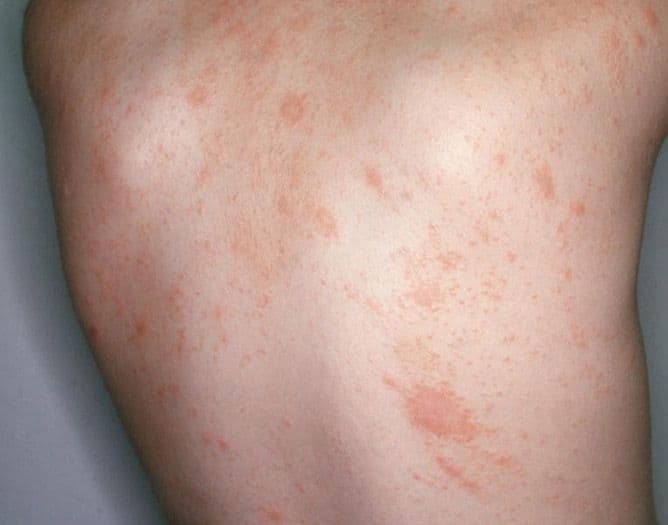
Pityriasis rosea showing a rash of pink scaly spots spread over the back and flank.

Pityriasis rosea: symptoms, causes, and treatment

Self-limiting skin condition causing pink, scaly rashes. Learn symptoms, causes & treatment. Non-contagious, resolves in 4-8 weeks. Guide for patients.
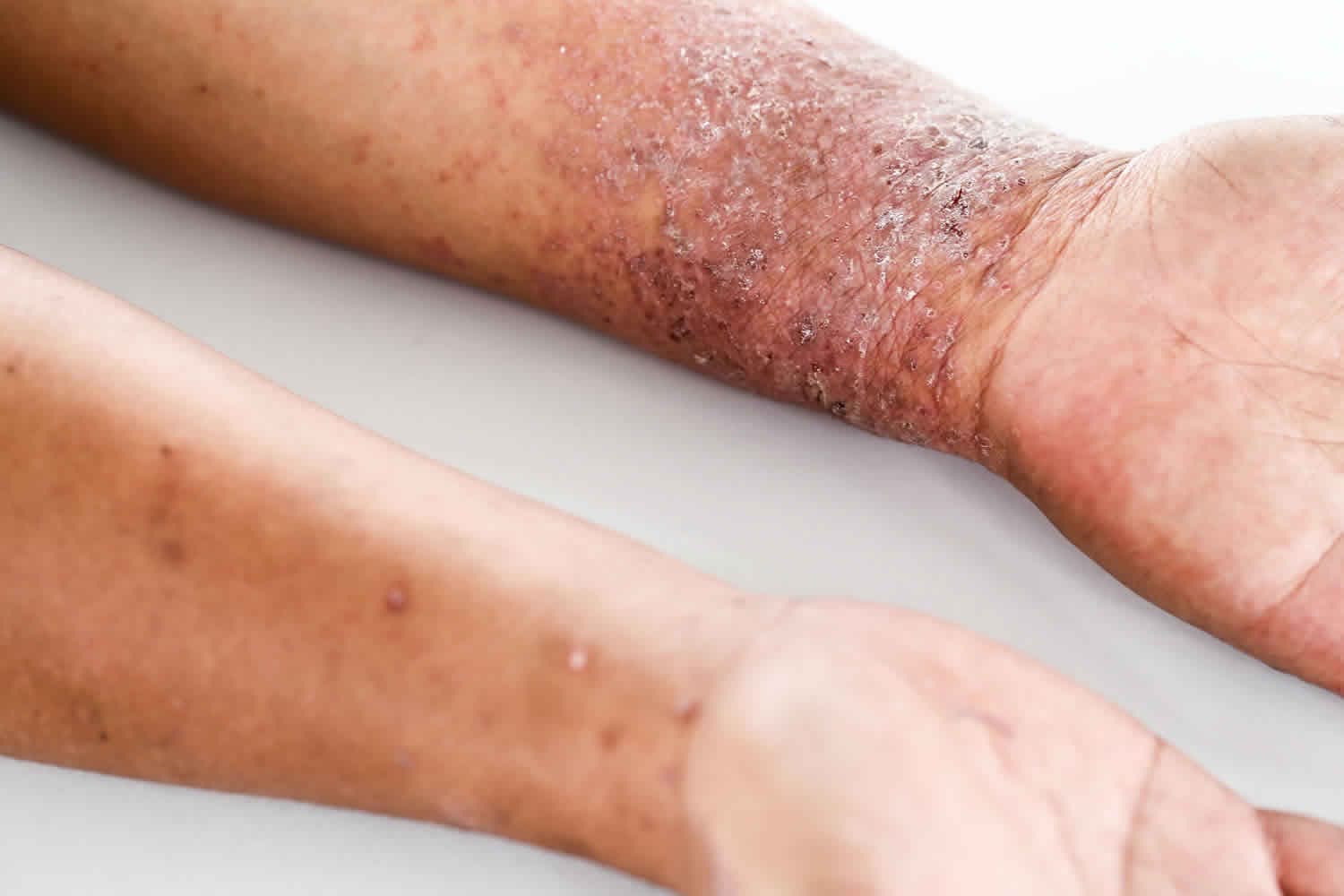
Red, scaly and inflamed skin of atopic dermatitis on the forearm and wrist

Atopic dermatitis: how to recognize, treat, and care for your skin

Atopic dermatitis is a chronic skin condition causing dryness and itching. Learn about symptoms, triggers, and effective treatments for lasting relief.
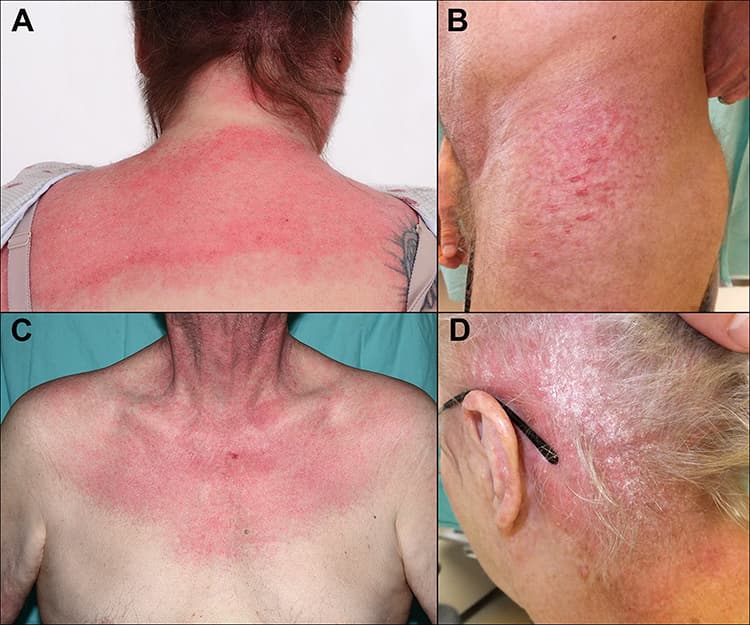
A four-panel set showing red, irritated skin on the neck, upper back, chest and behind the ear.

Dermatomyositis: early skin signs and systemic impact of a rare autoimmune disease

Dermatomyositis is a rare autoimmune disease with early skin symptoms like heliotrope rash and Gottron’s papules. Learn how to recognize, diagnose, and treat this condition effectively.
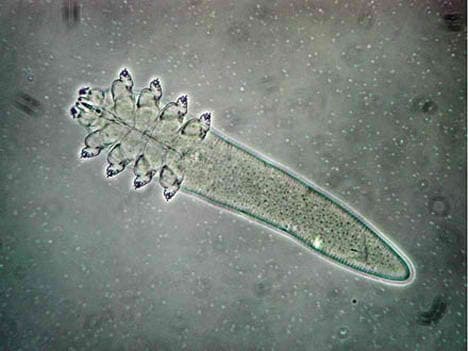
Microscopic view of a Demodex folliculorum mite, which can cause skin demodicosis and eyelid inflammation.

Demodex mite: symptoms, treatment, and how to prevent demodicosis

Demodex mites are microscopic organisms that live on your skin and can cause inflammation called demodicosis. Learn the symptoms, causes, treatments, and how to prevent flare-ups.